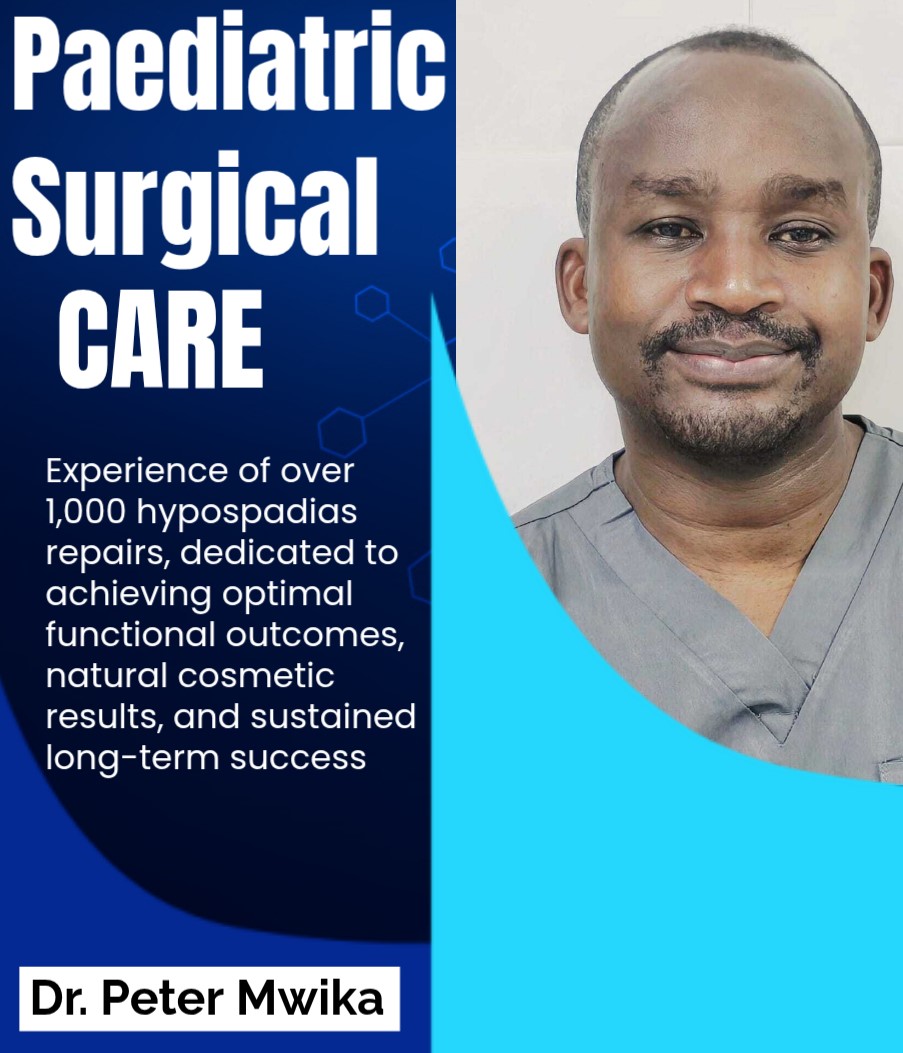
Hypospadias is a congenital (birth) condition in boys where the opening of the urethra is not located at the tip of the penis. Instead, it may be positioned along the underside.
This condition may also be associated with:
- A downward curve of the penis (chordee)
- Abnormal foreskin development
Why Early Treatment Matters
Surgical correction is recommended to:
- Enable normal urination while standing
- Ensure proper growth and development
- Support normal function later in life
- Improve appearance and confidence
Early intervention helps prevent complications and ensures the best long-term outcome.
When is Surgery Done?
Hypospadias repair is typically performed between 6 and 18 months of age. At this age:
- Healing is faster
- Surgical outcomes are excellent
- The child will not retain memory of the procedure
The Surgical Procedure
Hypospadias repair is performed under general anesthesia by a paediatric surgical specialist.
The procedure may involve:
- Reconstructing the urethra to its natural position
- Straightening any curvature
- Restoring a normal appearance
Most cases are corrected in a single surgery, while more complex cases may require staged procedures.
Recovery and Aftercare
After surgery, your child may:
- Have a small temporary catheter
- Experience mild swelling or discomfort
- Require simple wound care at home
Parents receive clear guidance on:
- Hygiene and dressing care
- Medication use
- Follow-up visits
Children usually recover quickly and return to normal activities within a short time.
Safety and Outcomes
Hypospadias repair is a safe and highly successful procedure when performed by an experienced specialist.
Possible risks, though uncommon, include:
- Infection
- Bleeding
- Narrowing of the urethra
- Small leakage (fistula)
With expert care, success rates are very high, and most children achieve excellent results.
Long-Term Results
Children who undergo hypospadias repair typically:
- Urinate normally
- Grow and develop without complications
- Lead healthy, active lives
Regular follow-up ensures optimal healing and long-term success.