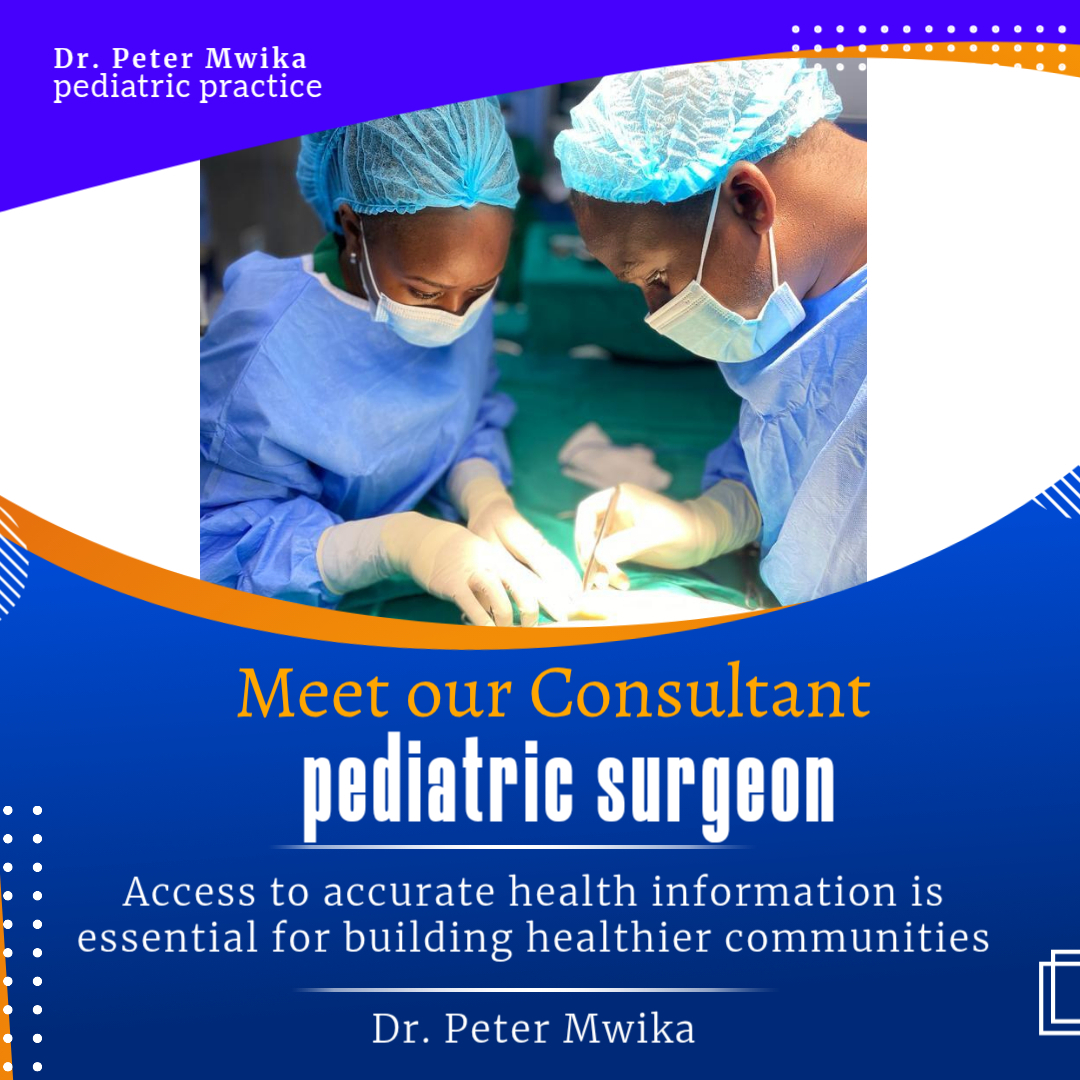
Pediatric surgery can feel overwhelming for families, particularly when it involves young children who may not be able to clearly express what they are experiencing. However, understanding the process, the specialists involved, and what to expect at each stage can significantly reduce anxiety and help families feel more confident and prepared.
What Makes Pediatric Surgery Different
Pediatric surgery is a specialized field focused on the surgical care of infants, children, and adolescents. Unlike adult surgery, it requires not only advanced technical expertise but also a deep understanding of the unique ways in which children grow, heal, and respond to treatment. Common conditions requiring pediatric surgical care include hernias, appendicitis, congenital abnormalities, and injuries. Each case is approached with careful consideration of the child’s age, development, and overall well-being.
Preparing Your Child for Surgery
Preparation plays a vital role in easing both the child’s and the parent’s concerns. Parents are encouraged to:
• Provide simple and honest explanations that match the child’s level of understanding
• Offer reassurance that they will not be alone and that the medical team will take good care of them
• Bring along familiar comfort items such as a favorite toy or blanket
• Consult the surgical team in advance to understand pre-surgery routines, including fasting requirements and what to expect on the day of the procedure
During the Procedure
Modern pediatric surgical environments are carefully designed to be safe, supportive, and child-friendly. Highly trained pediatric anesthesiologists closely monitor each child throughout the procedure, ensuring maximum safety and comfort. Many procedures today are minimally invasive, involving smaller incisions, reduced pain, and faster recovery times.
After Surgery
Recovery experiences can vary depending on the procedure, but children often recover more quickly than expected. Parents should:
• Follow all post-operative care instructions provided by the surgeon
• Monitor the surgical site for any signs of infection
• Ensure that pain is properly managed
• Encourage adequate rest while gradually allowing a return to normal daily activities
When to Seek Medical Advice
It is important to stay attentive during the recovery period. Contact your healthcare provider if your child experiences unusual fatigue, persistent fever, difficulty eating, or increasing pain. Pediatric surgical teams understand that parents may have concerns, and they are always available to provide guidance and reassurance throughout the healing process.