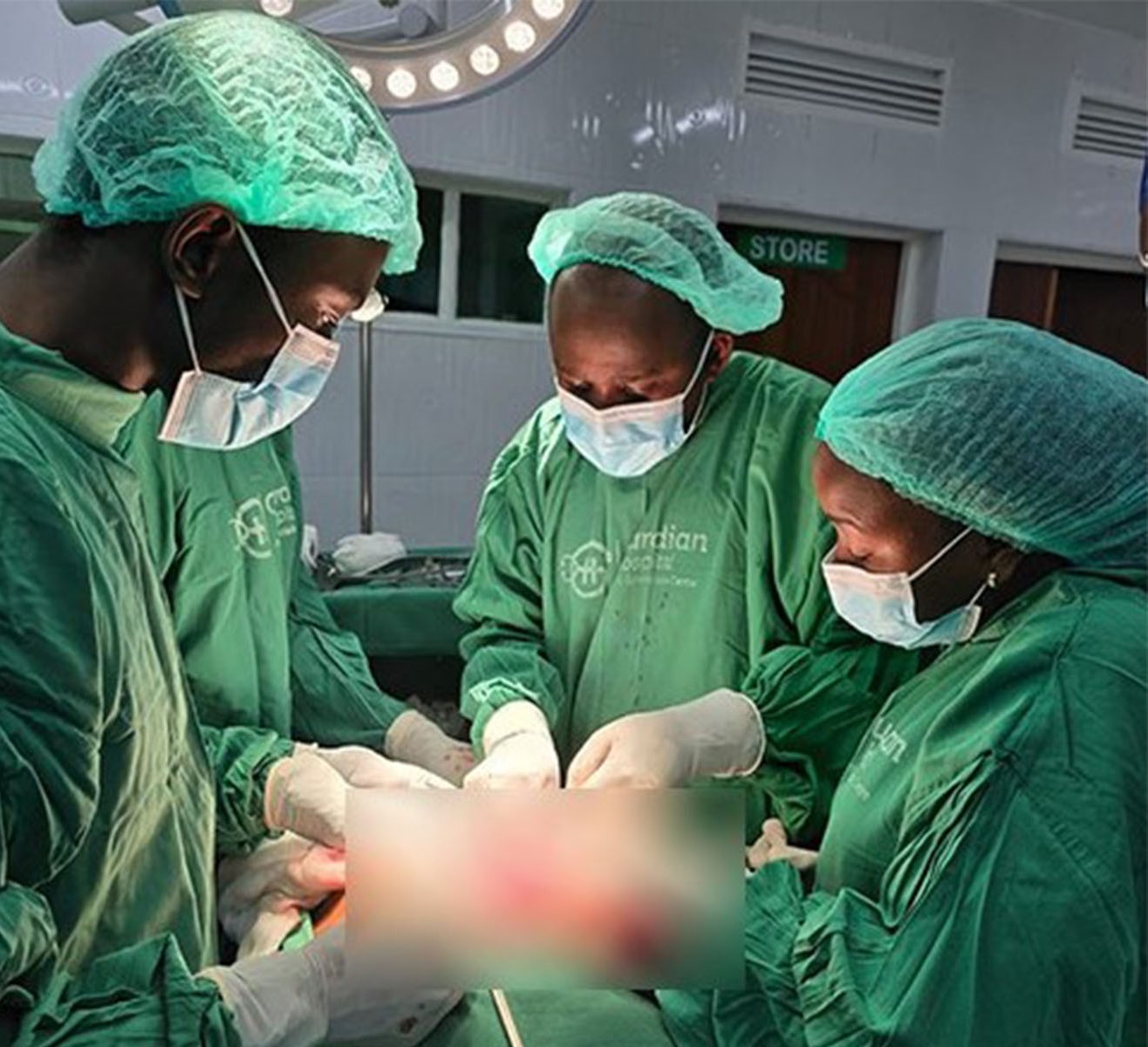
Minimally Invasive Surgery in Children
Minimally invasive surgery is transforming pediatric care by reducing pain, shortening hospital stays, and supporting faster recovery. These modern techniques are designed to make surgical treatment safer and less stressful for children.
Using small incisions, specialized instruments, and advanced imaging, pediatric surgeons are able to perform precise procedures with minimal disruption to the body. This approach allows for improved accuracy while maintaining a high level of safety throughout the operation.
Benefits for Children
Children who undergo minimally invasive procedures often experience less post-operative discomfort, minimal scarring, and a quicker return to normal activities. Recovery is generally smoother, allowing children to regain their strength and resume daily routines with greater ease.
A Child-Centered Approach
Pediatric surgical care goes beyond the procedure itself. It involves careful preparation, gentle handling, and close follow-up to ensure each child’s physical and emotional well-being. A supportive environment helps reduce anxiety and builds trust for both the child and the family.
Common Minimally Invasive Procedures
- Appendectomy
- Hernia repair
- Gallbladder surgery
- Correction of selected congenital conditions
Advances in minimally invasive techniques continue to improve outcomes in pediatric surgery, offering children safer procedures and a more comfortable path to recovery.